
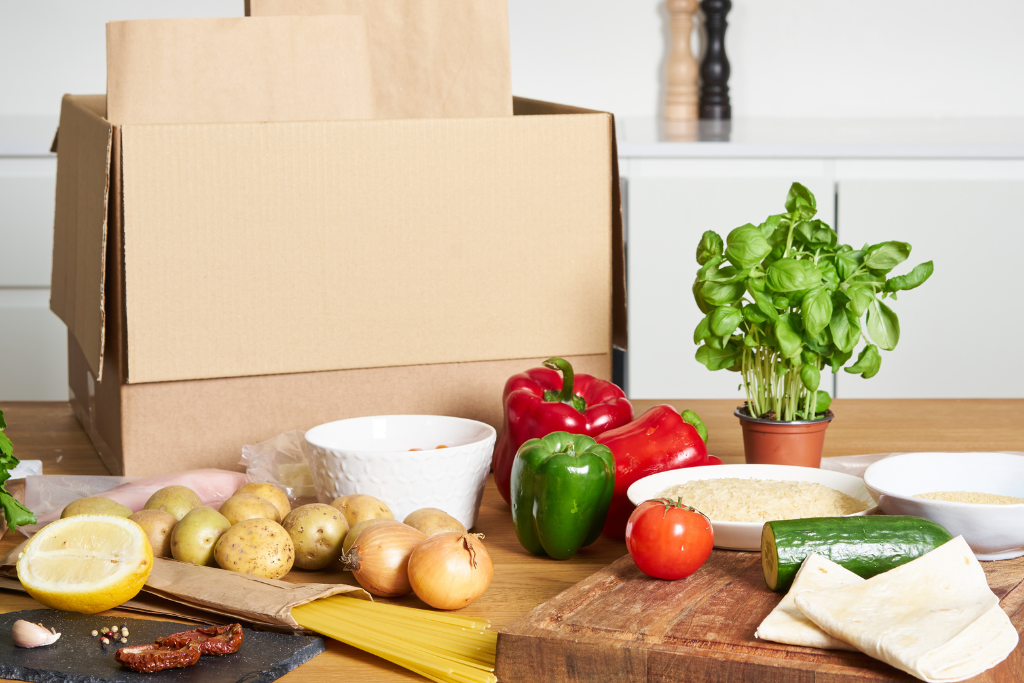
Consumer buying behaviors across Consumer-Packaged Goods (CPG) food categories are undergoing several key changes. During the pandemic, we saw consumers slow down and dive back into scratch cooking and sourdough bread baking. Now, we’re seeing the pendulum swing the other way.Inflation and the need for two incomes, especially in urban areas, have put pressure on family time and household budgets.
Many consumers are opting to skip dining out, instead turning to prepared meals or meal kits that reduce or eliminate lengthy prep time.
At the same time, consumers are looking for foods that help them with their health goals. Prepared meals and meal kits offer portion control and a wide selection of meals that are GLP-1 friendly, high protein, gluten-free, or vegan. The main difference between the two options is that prepared meals are ready to heat, while meal kits offer the raw ingredients and a recipe to make meal prep quick and easy.
With so much opportunity in this space, it’s important for decision-makers to understand the critical role packaging plays in delivering safe, quality food to the dinner table. Whether you’re a brand, manufacturer, retailer, or eCommerce operator, there’s a lot that goes into packaging decisions, from shelf life to sustainability and regulatory compliance. Innovative packaging can become an important competitive differentiator.
Market Overview
Just how big is the market opportunity for meal kits and prepared meals? The global meal kit market continues to grow at a CAGR of 8.4% and was valued at $39.4 billion in 2025. Growth in this category is not surprising when around half of American consumers prefer to cook meals in 30 minutes or less. Subscription churn is a concern, with consumers citing quality control and excessive packaging among their top five pain points for meal kit delivery. That creates an opportunity for brands to stand out with sustainable and reliable packaging solutions.
By comparison, the prepared meal market hit $95.5 billion in 2025. North America accounted for $32.31 billion of those sales, where one in three American consumers eat ready-made meals at least once a week. By product type, frozen ready meals are the most popular with over 50% market share. And while convenience is an important reason for the growth in North America, packaging innovations are driving over half of the expected 3.88% CAGR over the next five years.
The C-Store Disruption
It’s not just the market that’s expanding. Consumers are broadening where they source their prepared meals. Supermarkets and hypermarkets held around 42% of the market in 2025, but convenience stores, or C-stores, are quickly becoming mini foodservice and prepared-meal hubs, with foodservice now accounting for 28.5% of in-store sales.
C-stores are also directly competing with quick-service restaurants and 68% of consumers believe they are just as capable as restaurants of delivering quality food. For brands expanding into this channel, packaging can help signal premium, quality, and convenience for on-the-go consumers.
Why Packaging Is So Critical and Complex
More channels mean more complexity. A meal sold at a grocery store places different demands on packaging than a meal sold in a C-store. Where many grocery stores deal in bulk shipments because they have the storage space and restocking capabilities, C-stores often move smaller volumes and require frequent deliveries.
A commonality across logistical differences is the need to keep the food safe and fresh. For meal kits in particular, eCommerce delivery and long transit times place greater demands on cold chain capabilities and require durable, temperature-controlled, and leak-resistant packaging.
Additionally, consumers want food that will last several days, or even weeks, in the fridge or freezer. The need to extend shelf life adds further complexity, requiring manufacturers to prevent bacterial growth, oxidation, and moisture loss over time.
Sustainability is another factor for consumers and retailers alike. Shorr’s recent consumer report found that 90% of shoppers are more likely to buy from brands with sustainable packaging. This turns food waste reduction and curbside recyclable packaging into competitive advantages across the meal kit and prepared meal sectors.
Packaging Innovation Support Performance
Balancing performance, distribution channels, and compliance requirements for these growing markets demand strategic planning, thoughtful technology, and careful material selection. The right packaging solutions will not only protect your product but also help improve operational efficiency.
Technologies
Meal kits and prepared meals often rely on one or more technologies to keep food fresh. Three commonly used solutions include MAP, VSP, and thermoforming.
- MAP (Modified Atmosphere Packaging) changes the gas composition inside the package, extending shelf life and helping preserve freshness for many food products. This technology may also reduce the need for preservatives.
- Vacuum Skin Packaging (VSP) consists of a flexible plastic film sealed over a tray of food. Before the product is sealed, air is evacuated, and the film conforms tightly around the product. This sealed film helps prevent leakage and spoilage during transport.
- Horizontal thermoforming packaging machines use both forming and non-forming films to mold and seal packaging. These machines are food-safe and save floor space since they can create, fill, and seal packaging.
Materials
Once you’ve identified the right format and technologies, it’s time to select your materials. They should fit the product, distribution channel, sustainability goals, and operational capacity, ensuring the product is protected from initial packing to disposal. Below are several options for meal kit and prepared meal packaging:
- For brands prioritizing trays that are curbside recyclable, there are paper options like molded fiber, paperboard trays that are oven safe, and SBS paperboard made from virgin wood pulp. Alternatively, trays can be formed inline. After forming, a food-safe laminated barrier is applied that can be peeled away from the paper tray and disposed of so the tray can be recycled.
- For fresh or frozen applications, rigid trays are also available, often made from plastic. They typically include lidding film over the top and may use MAP or VSP to protect the food inside.
- For frozen meals, CPET (crystallized polyethylene terephthalate) is an ideal packaging material. This durable thermoplastic withstands freezing temperatures and is dual-ovenable, maintaining its shape under high heat. CPET can be formed on horizontal thermoforming packaging machines, making it a space-efficient option for many packaging lines. PET and PP trays can also be formed inline, offering similar space-saving benefits.
- For microwave-ready meals, PP (polypropylene) trays allow consumers to heat straight from the freezer. They offer a more translucent look than CPET trays, which are traditionally solid white or black.
- For a long shelf life, retort pouches can keep food fresh for over a year. These flexible laminated pouches can withstand high-heat sterilization and are popular for liquid products like soups and baby foods.
Compliance
Performance is only one dimension of the packaging decision matrix. Food safety and sustainability regulations are also major factors. Below are several key frameworks and regulations that apply to brands with meal kits and prepared meals:
- Hazard Analysis and Critical Control Points (HACCP) – This food-safety management system helps identify potential hazards like cross-contamination or temperature fluctuations and establish control points so these conditions can be monitored and prevented as needed. For packaging teams, it can influence temperature control requirements and packaging configuration. You can read the full guidelines here.
- Good Manufacturing Practices (GMPs) – These safety regulations provide quality control requirements for facility sanitation, employee hygiene, equipment maintenance, and food-safety controls. They provide the foundation for implementing HACCP. The FDA sets the standards for all food manufacturing practices.
- Food Safety Modernization Act (FSMA) – This act sets risk-based preventive controls and supply chain oversight for food processing from the farm to the consumer. It also establishes traceability rules and auditing measures to help keep individuals from getting sick from contaminated foods.
Beyond food safety regulations, there are sustainability compliance considerations. Recyclability and Extended Producer Responsibility (EPR) laws are creating new requirements for a growing number of markets, while retailers are also driving new standards for suppliers. For example, ALDI has established packaging goals focused on recyclability, material reduction, and a minimum of 30% post-consumer recycled (PCR), reflecting the growing expectations retailers are placing on packaging suppliers and manufacturers.
Shorr Helps Prepared Meal and Meal Kit Brands Stay Ahead
With so many variables at play, an experienced packaging partner can help you navigate material sourcing, cost pressures, and evolving compliance requirements. Shorr gives you access to food, cold chain, and temperature-sensitive packaging experts, suppliers, and documentation to support packaging compliance.
Our national supply chain capabilities, automation, and equipment specialists help your team optimize prepared meal and meal kit packaging operations. Whether you’re looking to improve efficiency, reduce waste, or advance sustainability goals, we can help you achieve your initiatives while delivering the quality products consumers expect.