
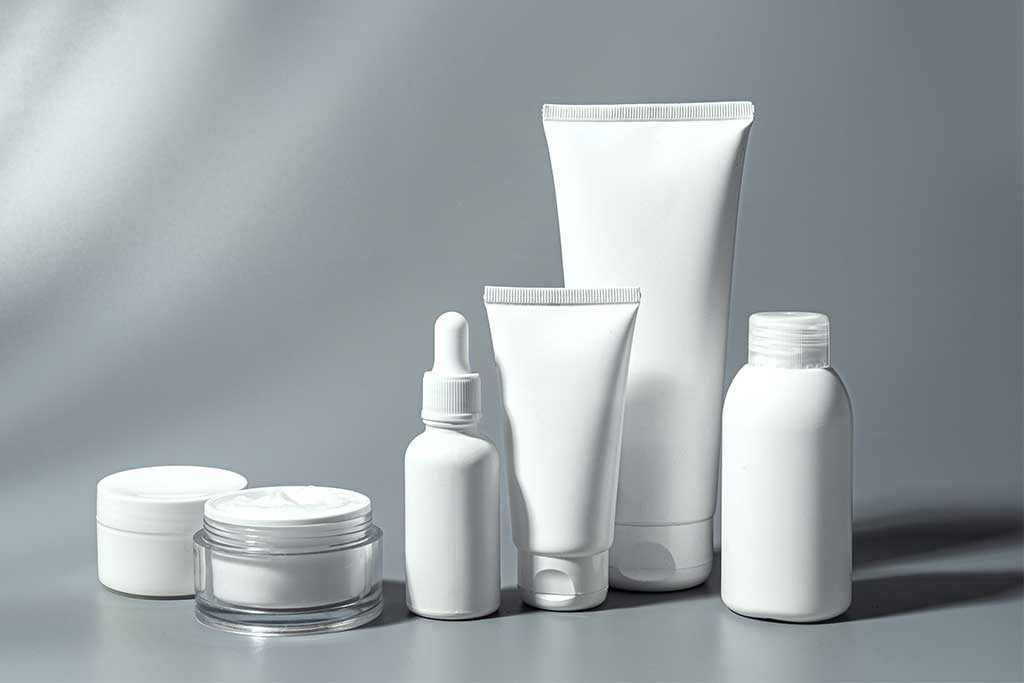
The state of sustainability in healthcare packaging is rapidly evolving, driven by new regulatory, environmental, and consumer pressures. Sustainable packaging is what can set you apart from the competition, as consumers are more likely to purchase from brands with eco-friendly packaging. This is compelling companies and brand owners to rethink their packaging strategies, focusing on lowering environmental impact while maintaining product sterility and compliance.
The Challenge of Sustainable Healthcare Packaging
Healthcare packaging faces unique challenges when incorporating sustainable components into its design. Safety, sterility, and stringent regulatory requirements demand innovative solutions that do not compromise the health and safety of patients and industry professionals. The Healthcare industry represents nearly 5% of global greenhouse gas emissions, with the U.S. responsible for about 27% of that total, and plastic packaging making up roughly 25% of medical waste.
Strategies for Sustainable Shifts
Even with these barriers, companies are seeing positive results by prioritizing sustainability through:
- Right-sizing and downgauging: Reducing package weight and material volumes cuts waste and lowers the carbon footprint without sacrificing product protection. More packaging does not necessarily equal better protection.
- Mono-material packaging: Single-material packaging enhances recyclability, enables closed-loop recovery systems, and reduces the likelihood that the packaging product will end up in the landfill. Mixed-material packaging is challenging to recycle and often ends up getting thrown away.
- Recycled content: More companies are integrating post-consumer recycled (PCR) content into their packaging decisions. In 2020, over 32 billion pounds of healthcare plastics were produced, with projections for 48 billion pounds by 2025; though most of it is recyclable, it often ends up in landfills instead.
- Take-back and circular economy programs: Closed-loop recycling, hospital collection networks, and collaborations (such as those led by the Healthcare Plastics Recycling Council) advance material recovery and circulate resources to avoid single-use items.
- Regulatory compliance to avoid EPR fees: Extended-Producer Responsibility regulations encourage companies to rethink their packaging designs to minimize waste and implement environmentally conscious packaging solutions, thereby avoiding excess fines and penalties.
Why is this important?
Companies are realizing success from investing in relationships with sustainability partners, such as Shorr, to identify innovative opportunities to implement custom healthcare packaging solutions that reduce their environmental footprint while addressing regulatory compliance. One example of this is switching from foam to fiber-based or bio-based products. Oregon’s EPR fee structure highlights that this switch can also be cost-effective, as 1 pound of fiber-based product is charged $0.04/lb compared to EPS, which is $1.40/lb.
The sustainable healthcare packaging industry is expected to grow from $9.06 billion in 2025 to $16.03 billion by 2034. Significant innovations in this space include the incorporation of bioplastics, paper-based blister packs, right-sized packaging, RFID for visibility in the supply chain and counterfeit prevention, and child-resistant packaging improvements. We know that sustainable packaging for healthcare is more than a trend; it is rapidly transforming the industry’s approach to waste, emissions, and product safety. With stronger regulations, consumer expectations, and product innovations, healthcare companies can achieve their sustainability goals while maintaining trust, compliance, and operational excellence.
No matter where you are on your sustainability journey, we offer guidance to help you reduce your environmental footprint—whether it be for your packaging needs, operations, or beyond. Look to us for the industry’s sustainable best practices and resources.
Sources:
- https://pkgcompliance.com/top-5-sustainable-shifts-in-medical-device-packaging/?trk=feed_main-feed-card_reshare_feed-article-content
- https://www.hprc.org/
- https://www.healthcarepackaging.com/sustainability/article/22949736/international-report-highlights-environmental-economic-costs-of-singleuse-plastics-in-healthcare-sector
- https://www.globenewswire.com/news-release/2025/07/08/3111482/0/en/Sustainable-Pharmaceutical-Packaging-Market-Trends-to-Watch-in-2025-2026-CAGR-15-Growth-Driven-by-Eco-Innovation.html
- https://www.towardspackaging.com/insights/sustainable-medical-packaging-market-sizing
- https://www.sciencedirect.com/science/article/pii/S0168851024000630
- https://www.plasticpollutioncoalition.org/blog/2025/2/20/excessive-plastic-in-healthcare-the-growing-crisis