
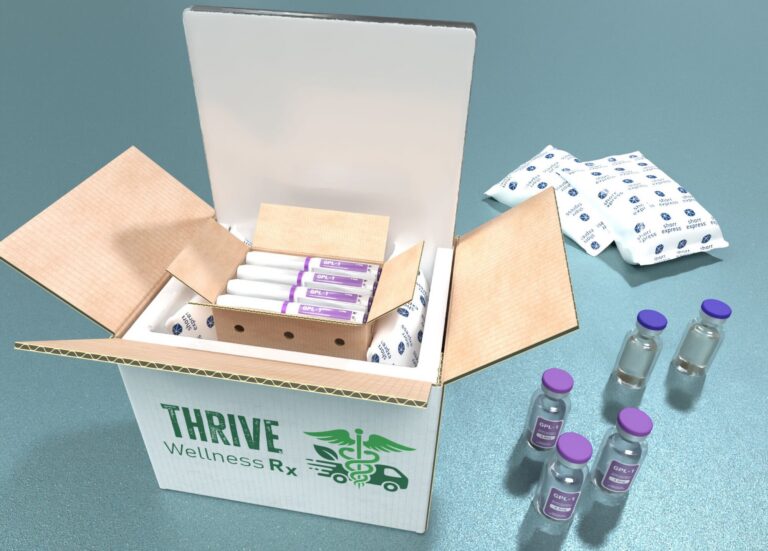
Leaders across operations, logistics, and procurement in the food and pharmaceutical sectors are under pressure to understand the details of insulated shipping solutions, the impact of compliance on packaging decisions, and the common pitfalls that can threaten the reliability of their cold chain.
To set yourself up for cold chain success, start with these five core questions that will help uncover which insulated shipping solution is right for your packaging processes and operations:
- What temperature must the product/payload maintain in transit?
- How long does the product need to stay within spec?
- What lane risks could impact thermal performance?
- What validation requirements must the solution meet?
- Which packaging format best fits the product, process, and shipment profile?
This five-question decision framework helps you develop a strategy that reliably protects food or healthcare products under real-world shipping conditions.
What Is Insulated Shipping?
The goal of any cold chain packaging is to maintain a safe temperature range throughout a product’s journey, from the manufacturer to the warehouse, distribution center, retailer, or consumer. Insulated shipping provides the protection needed to keep products safe. If packaging fails, brands risk financial loss due to compromised products and reputational damage. Noncompliance with regulations can also lead to fines and even a temporary shutdown of operations.
Most food and pharmaceutical products with short transit times or high shipping volumes utilize passive temperature-controlled solutions. Compared to active refrigeration and automated temperature control systems, passive solutions like insulation and refrigerants that are lighter-weight and more cost-effective.
Shorr partners with industry leaders in cold chain packaging, like TemperPack, Creative Packaging, and ThermoSafe, to offer solutions that protect your products without requiring additional refrigeration. Passive packaging solutions come in many forms. The right choice starts with a complete list of requirements rather than focusing on format alone.
The Five-Question Cold Chain Decision Framework
Before you start considering thermal formats, the five-question decision framework is a powerful tool to anticipate factors that may affect performance and cost over time.
- What temperature must the product/payload maintain in transit?
When it comes to cold chain solutions, it’s not only about keeping a product cold. Some items require refrigeration, while others need to stay frozen. Certain products are temperature sensitive, while others can tolerate brief excursions. Knowing the allowable temperature range for your specific product, including any allowable excursions, will help determine which formats best suit your application. - How long does the product need to stay within spec?
When it comes to the duration the product must maintain its safe temperature, you’re looking at more than just ship time. Your solution also needs to make allowances for holds, transfers, and receiving and pickup delays. - What lane risks could impact thermal performance?
Lane risk directly affects how long the solution needs to perform. Depending on the routes and transport methods you choose, the risk of delays, holds, or seasonal climate changes will vary. Planning for these risks will help you deliver consistently, no matter the time of year or shipping challenges you face. - What validation requirements must the solution meet?
Validation includes testing for performance against different temperature profiles to identify areas of risk, along with benchmarks for internal quality control. A validated thermal packaging system can help support year-round reliability and regulatory compliance. - Which packaging format best fits the product, process, and shipment profile?
Often, decision-makers want to jump right to finding the best format for the product and shipment size. Unfortunately, that can lead to otherwise avoidable performance issues. Insulation type, storage footprint, and ease of packout are all important, but you can’t make well-informed decisions without answering the four previous questions.
Once the performance requirements are clearly defined, you can confidently compare packaging formats to see which fits best.
Types of Insulated Packaging Solutions and Considerations
Insulated packaging solutions vary in their level of protection and the shipping environments where they perform best. Some solutions are designed for smaller, shorter duration shipments, while others are better suited for bulk loads, longer transit times, or higher-risk lanes. To find the format that best fits your requirements, it is important to understand the main categories of options and the tradeoffs that come with each.
Box liners are used in a wide range of applications because they are versatile and can be easily customized with branding. They can be rigid or flexible, depending on which material you choose (e.g., paper fiber, PET, corn starch, cotton, or foil). Benefits include the ability to pair with gel packs, ice bricks, dry ice, or thermal barrier bags for additional cooling. Box liners also save storage space since they can be shipped flat. Protection time depends on your packout and refrigerant choices. With the right configuration, you can get 48 to 72 hours of safe shipping time.
Coolers require more storage space than liners and may add weight, but they are efficient and cost-effective. For shipments that need more structured protection, simply slide the cooler into your corrugated container to create an insulated barrier that provides up to 72 hours of protection. Shorr offers coolers in EPS; additionally, coolers in responsible material options for disposal may be available.
Mailers are great for smaller shipments with shorter shipping times of 24 to 36 hours. They are lightweight, save space, and can be used with gel packs for additional protection. This option is commonly used for shorter transit lanes where there is a lower risk of delays and less exposure to extreme temperatures. Insulated mailers also work well when solid stability data is available, and allow for excursions and a wider temperature range.
Great for bulk loads and complex distribution networks, these durable packaging systems provide thermal performance for several days. You can choose from single-trip or reusable options for shipments across your 3PL cold chain.
Temperature indicators are available in single or multi-use solutions; these indicators detect temperature fluctuations that could compromise products. Many shippers use these to provide visibility into their cold chain, adding peace of mind and helping reduce costly re-shipments.
Testing and Validation: Ensuring Real-World Performance
The right format is a key part of your solution design, but you’ll also need to know whether it will perform under real-world shipping conditions. That’s where testing and validation come in.
The International Safe Transit Association (ISTA) developed a global method to standardize the performance of insulated shipping containers. It has established real-world testing standards for thermal transport by gathering data across shipping lanes and seasons.
Shorr and its supplier partners apply ISTA standards to packaging systems and formats, helping customers validate solutions. Generic supplier claims for insulation alone are not enough to ensure protection. The full packout must be validated as a system, and it should be validated again any time changes are made, even small ones.
Regulatory Considerations and Compliance
Compliance with food, pharmaceutical, and environmental regulations significantly impacts packaging operations. Even the strongest packaging design can fail without clear packout SOPs, handling procedures, documentation, and audit processes.
High safety standards, little room for error
For food safety, the FDA Food Safety Modernization Act (FSMA) rule on Sanitary Transportation sets requirements for shippers, loaders, and carriers to prevent temperature and contamination issues. Packing and shipping are major risk areas for organizations looking to prevent product recalls or product loss due to spoilage. Mitigating risks and staying compliant requires more than the right insulated packaging solution. It takes thorough operational procedures and traceability to show proper management of food shipments.
In healthcare, transit times and temperature controls are just as critical. Manufacturers and shippers need training in procedures for storage, packout, and handling because products like vaccines can lose potency even with small temperature changes. Packaging systems for vaccines must follow the Centers for Disease Control and Prevention’s (CDC) regulations for safe vaccine storage and handling.
Careful thought and consideration should also go into your choice of refrigerant with regard to regulations. Most gel packs are considered non-hazardous, while dry ice is subject to strict federal regulations for handling, labeling, and shipping. Hazardous materials regulations typically add more cost and complexity to cold chain operations.
Sustainability is increasingly required and desired
Sustainability is another impactful factor driven by new regulations and shifting consumer behavior. Shorr found that 90% of consumers are more likely to purchase from a brand or retailer if its packaging is eco-friendly. Reusable and recyclable formats can also impact your shipping operations and packaging lifecycle management.
EPR regulations are top of mind for many organizations as more states adopt these laws. These regulations encourage or require more shippers to move toward recyclable and reusable shipping formats or face fees.
Cost and Operational Practicality
Finally, cost and operational practicality must be considered. The upfront cost is just a part of the picture. Taking the full lifecycle of the packaging system into consideration will give you a more accurate view of the long-term investment. Operational limitations should be taken into account to ensure the solution can be executed consistently.
Common Mistakes When Choosing a Solution
When assumptions go unchallenged, shipping programs can encounter challenges. At Shorr, we help customers avoid common but costly mistakes when designing insulated packaging systems.
Mistake 1: Designing for ideal conditions instead of worst-case lanes
Actual shipping conditions include carrier delays, seasonal swings, weekend holds, and last-mile challenges, all of which can affect performance. When your packaging is designed for ideal route conditions rather than validated across common variables, you may introduce reliability issues that impact compliance and customer satisfaction.
Mistake 2: Over-relying on overnight shipping instead of fixing the packaging
Addressing underlying issues in a packaging application is often more cost-effective than moving packages quickly. It is also important to note that overnight shipments are not immune to delays or mishandling, so the risks of late delivery or poor protection remain.
Mistake 3: Choosing materials based on cost instead of performance
The least expensive materials may come with hidden costs when performance falls short. Spoilage and reshipments come with financial costs and negatively impact the customer experience and the company’s reputation. That is why testing and validation are crucial before finalizing any packaging configuration.
Mistake 4: Skipping validation or relying on generic supplier data
This oversight is worth mentioning again. Supplier performance data only applies to one element of the packaging solution and is intended to be general enough to cover different shipping scenarios. Proving real-world consistency for your unique packaging application is very important.
These mistakes can happen in organizations of any size, resulting in unnecessary risk. That’s why it’s important to work with a packaging partner who can help you see the full picture and validate each decision.
Partnering for Success
Shorr helps you design and deploy passive cold chain packaging systems built for real-world conditions. Our experts work with your organization to test and validate each solution, so it performs reliably and supports operational and compliance requirements. The result is a more dependable cold chain strategy that protects temperature-sensitive products and minimizes waste.