
CPG and retail brands face increasing pressure to reduce waste and use more sustainable packaging materials. This pressure is both regulatory and consumer-driven, with 69% of consumers expecting brands and retailers to offer sustainable packaging.
However, switching packaging materials is only part of the answer.
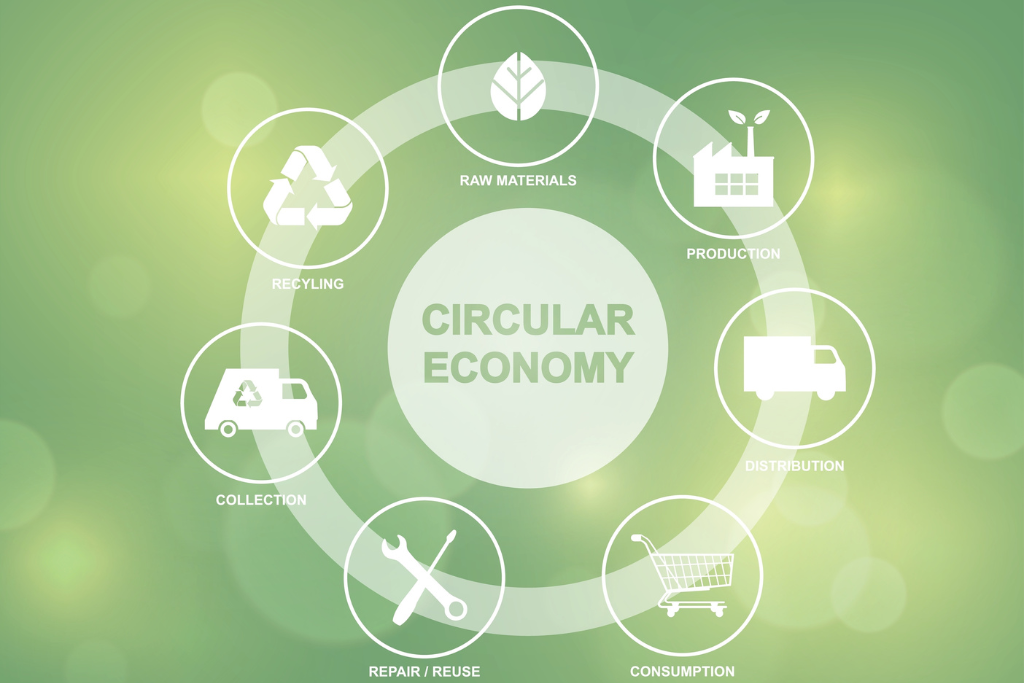
Organizations also need to consider how to “close the loop” with a circular economy model that keeps materials in circulation through reuse and recycling instead of thinking of them as single use materials.
Flexible films pose unique challenges to achieve a closed loop system. Unlike corrugated cardboard and rigid PET plastics, these films aren’t accepted in standard recycling infrastructure and cannot be recycled in curbside streams. Flexible film items like stretch wrap, shrink film, air pillows, and food wrappers are much harder to collect due to their lightweight and often multi-material makeup.
Fortunately, even though flexible films cannot be disposed of in curbside recycling systems, responsible disposal options still exist. Shorr helps organizations better understand film product selection, recovery options, and how to document each step of the lifecycle.
To recognize where circularity may become challenging, it’s important to understand how flexible films are leveraged in packaging.
What Is Flexible Packaging
Flexible films are made from plastic or may include multi-layered materials, such as paper, plastic, and aluminum. They are widely used in both primary and secondary packaging across the Consumer Packaged Goods (CPG) and retail landscape to protect food from spoiling, stabilize pallets, and reduce shipping weight. Commonly found in everything from plastic grocery bags to case wrap and shipping air pillows, their broad appeal stems from their lightweight, flexible, and effective performance.
One of the most common flexible films is stretch film, which can be used by a machine or by hand to wrap pallets and stabilize lightweight packages. These tear- and puncture-resistant films are utilized to protect products and reduce the opportunity for damage, and to help ensure products arrive successfully the first time. Shorr offers a wide variety of stretch films for both shipping and storage with opportunities to down gauge (reduce material from a thicker film to a thinner option) and incorporate post-consumer recycled content.
Why Flexible Film Circularity Can Be Difficult
A circular economy model for flexible films presents several inherent challenges. Some can be addressed at the company level through product design, collection streams, appropriate disposal labeling, and organizational partnerships. Additional challenges arise due to evolving regulatory requirements, changing consumer expectations, and infrastructure availability.
To foster a circular economy that can support flexible films, organizations must anticipate and understand potential challenges. Understanding these constraints can help companies set realistic near-term goals and identify where suppliers, collection partners, recyclers, and customer collaboration are required. Here are four major challenges organizations face in the current marketplace.
- There is a gap between what brands spend on sustainable packaging and the material being recovered
The global sustainable packaging market is expected to grow at a compound annual growth rate (CAGR) of 7.6% through 2030, reflecting continued investment from manufacturers and brands in environmentally friendly packaging. This projected growth is not surprising, with 90% of consumers more likely to buy from brands with sustainable packaging.
Yet, the reality is that not all materials are equally recyclable. Flexible films, for example, cannot be recycled at the curbside level and can instead be recovered when separated. This is important as in the U.S., the plastic packaging market is forecast to reach nearly 31 million tons of material in 2026, with flexible formats accounting for almost 17 million tons. But according to the Flexible Film Recycling Alliance (FFRA), only 0.5 million tons of flexible films and packaging are actually recycled, even though 5.3 million tons could be recovered.This gap between investment in sustainable packaging and the capture rate for recyclable materials shows that creating circularity involves more than just material selection. Closing this gap requires coordination across the entire value chain.
- Flexible films are not accepted in curbside systems.
While films by nature can be captured and recycled in separate systems (not curbside), “less than 2% of Americans can put film and flexible packaging in their curbside recycling container,” as stated by The Recycling Partnership.
Commercial streams of flexible films are often easier to get recycled if companies collect and store the material to minimize contamination and if they ensure that a special recycling program is established to prevent this material from ending up in standard curbside systems.
Packaging design plays a part, too. For example, mono-material polyethylene (PE) films may optimize the ability of this material to get recycled if it is separated from the curbside recycling stream.
Before selecting your films, it is important to understand responsible disposal options through the material life cycle. This helps align recovery targets with what the current infrastructure can support.
- Costs are rising and material regulations are expanding.
EPR laws, active in seven states and counting, are designed to increase funding for recycling infrastructure. But they are also putting pressure on product producers to show how their packaging materials are being recovered and recycled, and to eventually make efforts to reduce the amount of plastic the products are made with. Under California’s SB54 Source Reduction regulation, producers must plan for and achieve plastic weight and item count reductions. They can do this by switching materials, eliminating plastic components, incorporating PCR, right-sizing and redesigning products, and pursuing reuse and refill opportunities. The laws come with new reporting requirements, fees for violations, and incentives to design packaging with lower environmental impact.
Waste disposal costs are also rising. In 2024, the average landfill tipping fee increased 10% from the previous year. For companies with a large volume of flexible films, landfill diversion may help manage disposal costs.Beyond these cost and regulatory considerations, there is not an unlimited supply of post-consumer recycled content (PCR) in the market because although demand is growing for PCR, little plastic waste is being recovered. Adding to the challenge, the cost of virgin resin is tied to fossil fuel markets and can fluctuate significantly. As a result, PCR materials have become a more compelling alternative from both a sustainability and cost perspective, but limited availability can make it more challenging to source flexible films with recycled content or to meet recycled-content goals.
Together, cost increases between waste hauling fees, EPR fees, and resin price increases are driving more organizations to move toward a circular model for flexible films. The key is identifying where in the lifecycle changes can be implemented to ensure maximum impact. Shorr can help you evaluate the entire value chain, leverage our cut and weight tool assessments, and plan incremental steps to start achieving your objectives.
- Consumers need clear labeling and instructions to avoid contaminating curbside recycling streams.
Consumer awareness around recyclability remains a significant challenge for manufacturers and brands. When consumers don’t know what a material is and whether it can be recycled, it either ends up discarded or improperly placed in curbside recycling bins, which may contaminate the recycling stream.
Currently, only 6% of consumers are able to recognize that flexible films can be recovered through collection programs outside of the curbside system.
Accurate and transparent labeling practices are becoming more important than ever. Many manufacturers and brands are becoming members of How2Recycle to ensure their labels accurately reflect the appropriate disposal method of that product.
However, flexible films may require more than a label. Additional instructions on the package or marketing website can help reduce confusion and direct the consumer on how to appropriately dispose of these products at their end-of-life.In-store drop-off programs at retail locations are the most effective way to collect films from consumers. Consumer participation and knowledge are necessary to avoid contamination in curbside recycling streams. The Plastic Film Recycling Directory offers a map to help consumers find local store drop-off locations.
These challenges are complex, but organizations don’t have to navigate them alone. Shorr works with trade organizations, suppliers, recyclers, and customers to identify practical recovery opportunities for flexible film and support the documentation required for compliance and sustainability goals.
How Shorr Helps Brands Improve Flexible Film Circularity
Since the majority of Americans do not follow through with returning plastic film items back to the store, organizations with robust sustainability goals may prefer to incorporate PCR or lower-gauge products to ensure that sustainability is remains a priority without relying on consumer behavior.
When it comes to flexible film material choices, Shorr offers hand, machine, and banding stretch films with PCR and lower gauge options. We work closely with manufacturers to provide recyclability and recycled-content documentation, so organizations have everything they need for compliance and circularity planning.
At Shorr, we also understand that material choice alone won’t create circularity. Instead, it requires a cohesive and strategic approach across the value chain. That’s why we serve as a system connector that bridges the gap between brands and converters to align design with recovery potential.
We guide customers toward packaging formats that support recycling goals, and educate them on disposal and hauler collection options.
Shorr is committed to improving recycling rates. In fact, we’ve already diverted 5,181 pounds of film from the landfill within our own inventory and have partnered with the FFRA to launch a flexible film recycling collection program in Ontario, California, to facilitate B2B recycling to recover this material for use in films and keep it out of the curbside recycling systems. This reduces the disposal and waste burden for businesses and works to increase the diversion rate of this material.